We may use cookies to store your preferences and settings, to make the site easier to use, to provide tailored advertising and to analyse the use of the site. Privacy Policy.

We may use cookies to store your preferences and settings, to make the site easier to use, to provide tailored advertising and to analyse the use of the site. Privacy Policy.
24 July 2024
By Dr Beth Warman
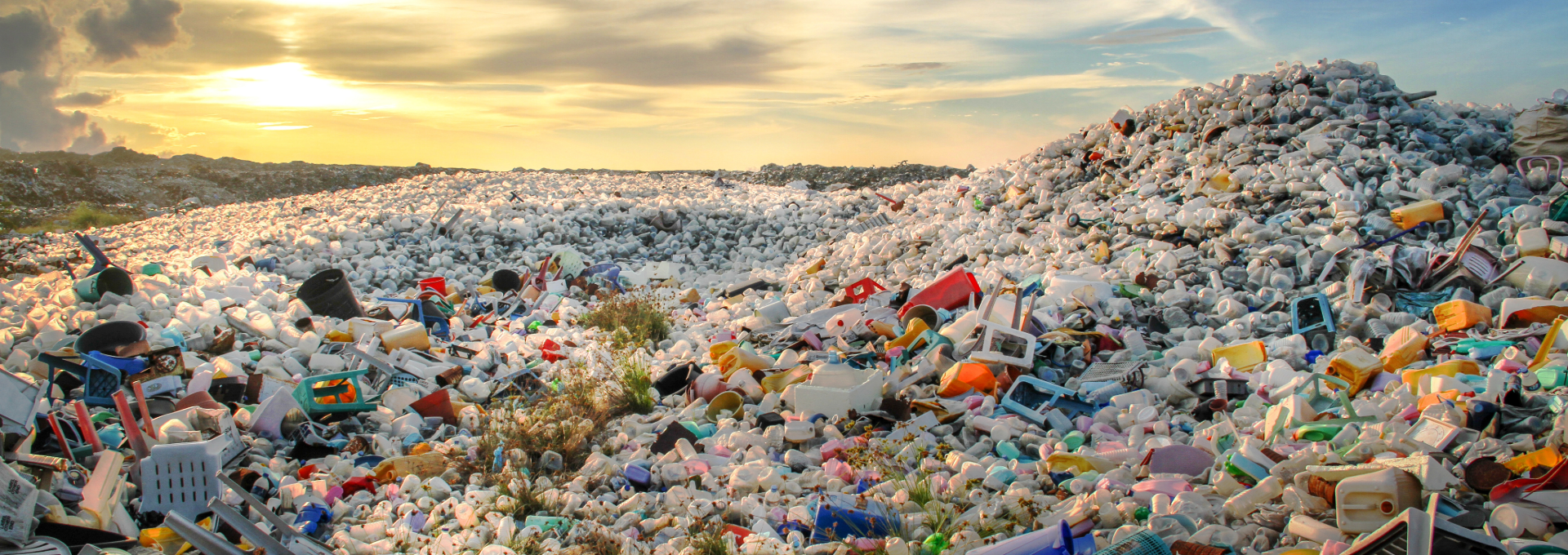
Many of us know the problems with single-use plastics: they are made from low-quality materials using fossil fuels, do not biodegrade (simply breaking down into smaller microplastics) and pollute our land and oceans.
We recycle less than half (44%) of the 2.5 million tonnes of our plastic waste (Defra)
Plastic Free July occurs each year and provides a reminder about the negative impact of single-use plastics. This year’s theme, ‘Small steps, big difference’ highlights the impact each of us has on the environment.
There are plenty of options to reduce our reliance on single-use plastics. Where possible, we can avoid packaging altogether. After all, Reduce is the first stage in the familiar ‘Reduce, Reuse, Recycle’.
REDUCING plastic consumption can include purchasing loose vegetables, dried goods in bulk or items packaged in paper, glass or aluminium.
Reusables are another option that can reduce our reliance on fossil fuels and the amount of waste we produce. Reusables can also save money in the long-term, by preventing the need to buy the same items time and time again. Many of these options are more durable and aesthetically pleasing than their single-use counterparts.
REUSING can include the use of reusable coffee cups, tote bags and menstrual cups.
What items do you regularly use that could be replaced with a reusable option?
While reusables can reduce our impact, it’s important to remember that we cannot simply buy our way out of a problem that was initially created by our purchasing choices. Reusables should be purchased only when their use prevents further waste. For example, a reusable metal or bamboo straw can be useful if you regularly use plastic straws. Think twice about purchasing reusable versions of items that you don’t typically use, or already have viable options for (like that stash of takeaway containers that can be used to store leftovers!). This can prevent further unnecessary use of resources and waste.
Conversations around sustainability should always be nuanced and take into account factors such as access. Single-use plastics can be a cheap and convenient option, particularly for those with limited access to alternatives, time and finances. Plastics are also generally lighter than materials such as glass, require less room and use fewer emissions to transport. When we need to purchase plastics, following local recycling rules can help to ensure that plastics don’t go to landfill.
While much of the responsibility is placed on individuals, businesses and governments are also responsible for reducing our plastic footprint. Businesses should find sustainable packaging alternatives and other ways to reduce their impact on people and the planet. Governments can introduce legislation and regulations around plastic production and usage to ensure that businesses and individuals are held accountable. Examples include the UK’s plastic bag charge and ban on the supply of single-use plastic items, such as polystyrene food and drink containers.
To reduce your reliance on single-use plastics and join the Plastic Free July challenge:
We all have a role to play in reducing the negative impacts of plastic on the environment. This Plastic Free July, consider which small steps you can take to make a big difference.
Learn more about Plastic Free July and reducing waste:
Plastic Free July – Be Part of the Plastic Pollution Solution
Plastic waste – House of Commons Library (parliament.uk)
Single-use plastics bans and restrictions – GOV.UK (www.gov.uk)



© 2020 RHG. RHG is a trading name of RHG Consult Ltd Company Registration number 04776603