We may use cookies to store your preferences and settings, to make the site easier to use, to provide tailored advertising and to analyse the use of the site. Privacy Policy.

We may use cookies to store your preferences and settings, to make the site easier to use, to provide tailored advertising and to analyse the use of the site. Privacy Policy.
10 October 2021
By Beth Warman

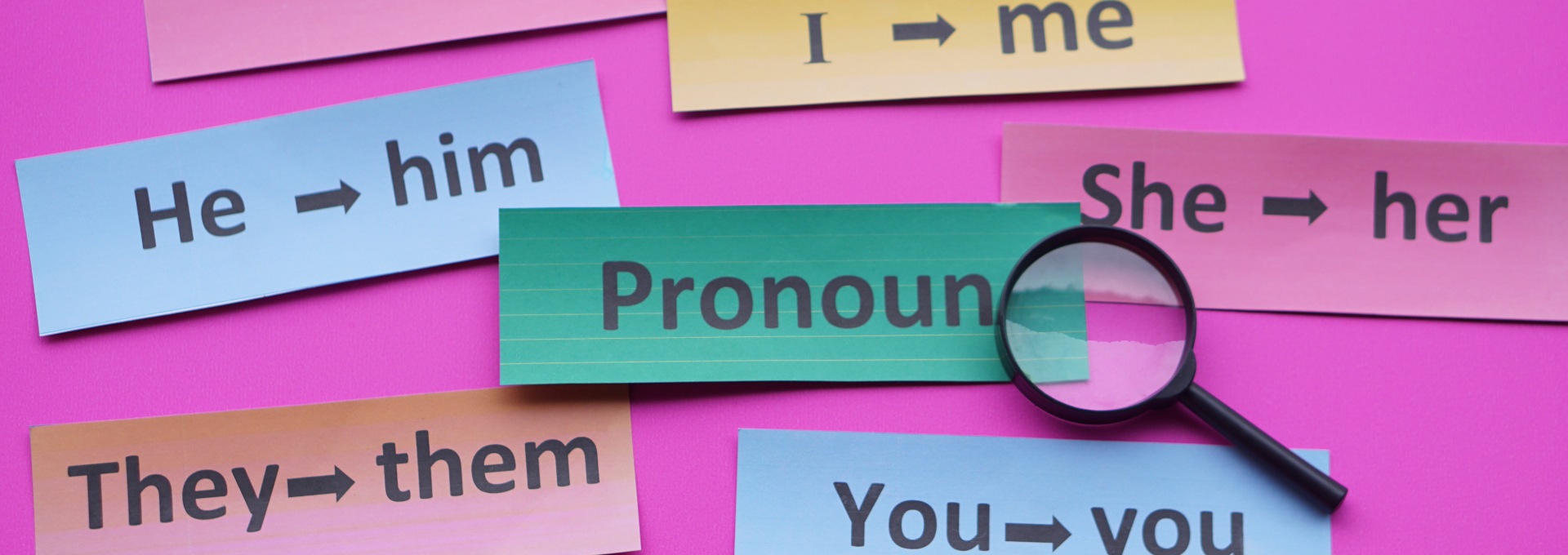
Pronouns Day, 16th October 2024
Gender Inclusive Language
“Watch out. Don’t bump into that lady!”
“Hi guys…”
“The man over there, he…”
We hear phrases like this every day. Generally, they’re harmless and we often don’t think much about using them. Why would we, when many of us have used them for as long as we can remember?
Yet, gender presentation doesn’t always align with gender identity. That is, people don’t always present themselves in ways that we might expect based on their gender.
Women don’t always wear skirts and have long hair. Men don’t always wear suits. Non-binary people don’t always appear androgynous.
These may sound like outdated stereotypes, because they are.
However, much of the time, we make quick, unconscious judgements about others’ identities, based on the way they look, their name or the way that they speak. These judgements don’t directly impact others until we express them.
Language is powerful
Language is an important tool to communicate our beliefs and values. Language allows us to share our interests, communicate who we are and build relationships. Yet, our language also has the power to cause harm to others, without us even realising.
“The man” you referred to may actually be a woman with short hair who happens to be facing away from you.
“That lady” may actually be a trans man whose environment is not safe enough for them to openly transition.
The “guys” that you greeted may actually be a group of women
One question you can ask yourself, when you notice that you’ve made a judgement or assumption about another person is:
“What made me think that about that person?”
While it’s very easy for us to make quick judgements, using language to create an inclusive, safe environment does require effort. That bit of extra effort can make a world of difference.
Be open and curious
This Pronouns Day be open and curious about the people around you. Take a moment, in your office, on the street, in a shop, to look around you and really see the people nearby. Consider the way that they present themselves, notice what quick judgements you make about these people and ask yourself, “what made me think that about that person?”.
It can be surprising what we realise when we make this a common practice, but over time it will become easier and shift the way that we communicate with others.
There are a number of ways to be more inclusive in your language:
Changing the way that we speak requires a conscious effort and we won’t always get it right. What’s important is making sure that we try (not just on Pronouns Day) to speak in a way that makes others feel included, to create a workplace, town and world where everyone feels safe and valued for who they are.
Learn more about Pronouns Day and using inclusive language here:
International Pronouns Day — Pronouns.org Resources on Personal Pronouns
Inclusive Language — Pronouns.org Resources on Personal Pronouns


© 2020 RHG. RHG is a trading name of RHG Consult Ltd Company Registration number 04776603